
Yuh Siang Garden · Bukit Timah · Est. 1972 Field Notes from the Curators
How a 125kW/261kWh AC-Coupled ESS Supports Peak Shaving
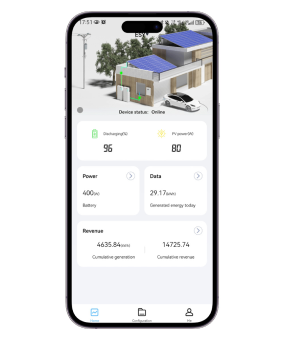
A 125kW/261kWh AC-coupled ESS can reduce commercial peak demand by supplying up to 125kW of power during high-cost periods while providing 261kWh of stored energy for load shifting. With more than 2 hours of rated discharge capability, systems such as the ESYsunhome ES125-261 help factories, hotels, and campuses lower demand charges, improve solar utilization, and manage electricity consumption without changing existing AC electrical layouts.
Commercial facilities often experience high electricity costs because utility bills are not only based on total energy consumption but also on maximum demand levels. Many commercial tariffs calculate demand charges from the highest 15-minute or 30-minute power usage interval each month. A short increase caused by HVAC equipment, production machinery, refrigeration systems, or EV charging can raise monthly costs.
A 125kW/261kWh AC-coupled ESS reduces this peak by supplying part of the facility load from stored energy. If a building reaches 600kW grid demand during afternoon operation, a 125kW battery discharge can reduce grid demand to approximately 475kW. In regions where demand charges represent 30%–50% of a commercial electricity bill, this reduction can significantly affect annual electricity expenses.
The ESYsunhome ES125-261 is designed around this operating model. The system combines battery storage, a bidirectional inverter, battery management system (BMS), and energy management system (EMS) into a commercial-scale solution. More information about this configuration is available through the product page: ESYsunhome ES125-261 ESS.
The AC-coupled design allows storage to be added to existing electrical systems without replacing current solar inverters. This approach is commonly used in retrofit projects where photovoltaic systems have already been installed. Compared with rebuilding the DC side of a solar system, AC coupling reduces installation changes and allows independent control of battery charging and discharging.
A facility with an existing 250kW solar system can add a 125kW AC-coupled ESS while keeping the original PV inverter operating separately.
The 261kWh battery capacity determines how much electricity can be shifted during each operating cycle. At the rated 125kW output, the theoretical discharge time is about 2.1 hours. Considering inverter losses and battery operating limits, practical usable time is usually slightly lower, depending on temperature, state of charge, and system efficiency.
| System Parameter | Typical Specification |
|---|---|
| Rated power | 125kW |
| Battery capacity | 261kWh |
| Full-power discharge duration | About 2 hours |
| Application type | Commercial and industrial facilities |
| Connection method | AC-coupled |
| Main functions | Peak shaving, load shifting, solar integration |
Peak shaving performance depends on how the battery schedule matches the facility load curve. A storage system does not need to operate continuously throughout the day. Instead, the EMS analyzes electricity demand patterns and selects periods when discharge creates the highest reduction in grid power.
For example, a manufacturing facility may have low electricity demand overnight and increasing consumption from 8 AM to 6 PM. The battery can charge during lower-cost periods and discharge between 2 PM and 6 PM when demand reaches its highest level. This operating method is commonly used under time-of-use electricity pricing structures adopted by many utilities since the early 2010s.
The EMS continuously monitors several operating parameters:
-
Real-time facility power consumption
-
Battery state of charge (SOC)
-
Utility tariff periods
-
Solar generation output
-
Charging and discharging limits
-
Equipment operating schedules
This control method allows the battery to maintain sufficient stored energy for planned peak periods. A properly configured system may complete hundreds of cycles each year, with battery performance depending on chemistry, temperature control, and discharge depth.
Battery capacity planning is also related to facility size. A 125kW ESS is suitable for many medium-sized commercial loads where peak demand reduction requirements range from 50kW to 200kW. For example, a hotel with large cooling demand may experience afternoon peaks, while a warehouse may see demand increases from refrigeration or logistics equipment.
| Facility Type | Typical Peak Source | ESS Application |
|---|---|---|
| Manufacturing plant | Motors and production equipment | Reduce production-hour demand |
| Hotel | HVAC and guest services | Control afternoon peaks |
| Campus | Buildings and laboratories | Shift electricity usage |
| Warehouse | Refrigeration and logistics | Reduce high-demand intervals |
The combination of solar generation and energy storage provides additional operating flexibility. Solar output usually reaches its highest level around midday, while many facilities experience peak electricity demand later in the afternoon. Without storage, excess solar energy may not match the timing of electricity consumption.
An AC-coupled ESS can store available solar energy and release it later when grid electricity costs increase. This approach improves the use of renewable generation and reduces dependence on higher-cost electricity periods. In some commercial projects, storage systems installed after 2020 have been used to increase solar self-consumption rates by more than 20%–40%, depending on load characteristics and tariff structures.
Solar panels generate electricity based on sunlight conditions, while batteries allow facilities to choose when that electricity is used.
System reliability depends on battery management and safety design. Commercial ESS platforms generally include multiple monitoring layers, including cell voltage measurement, temperature detection, overcurrent protection, and communication between the BMS and EMS.
The BMS manages individual battery cells and maintains operating conditions within manufacturer specifications. Thermal management systems help maintain battery temperature ranges that support longer service life. For lithium-ion systems, maintaining suitable temperature conditions can reduce capacity degradation compared with operation in extreme environments.
Installation planning also requires evaluation of electrical infrastructure. Engineers typically review transformer capacity, distribution panel ratings, protection settings, and local grid requirements before connecting a 125kW ESS. The installation process may include:
| Assessment Item | Purpose |
|---|---|
| Load profile review | Identify peak demand periods |
| Electrical inspection | Confirm connection capability |
| Tariff analysis | Estimate demand charge reduction |
| Battery schedule design | Optimize daily operation |
| Safety review | Meet local requirements |
Maintenance requirements for commercial ESS systems are generally based on software monitoring, inspection schedules, and component testing. Remote monitoring platforms can provide information about battery status, inverter operation, alarms, and energy flow. Many systems installed after 2020 use cloud-based monitoring to simplify performance checks and operational management.
A 125kW/261kWh AC-coupled ESS provides a practical option for businesses that need demand control without major electrical redesign. Its combination of 125kW power output and 261kWh energy storage allows facilities to manage peak periods, support renewable integration, and improve electricity scheduling.
As electricity pricing structures continue to include more demand-based charges and time-based rates, commercial storage systems are becoming more common in factories, hotels, offices, and campuses. A properly sized ESS allows these facilities to control when electricity is purchased from the grid and when stored energy is used.
Plan a visit
The garden is open Tuesday through Sunday. Visitor numbers are capped to protect the collections.
Reserve your timed entry in advance. Members of the Heritage Trust enjoy unlimited weekday access and a printed quarterly Living Index.